


Innovations
Automatic Driver Asist
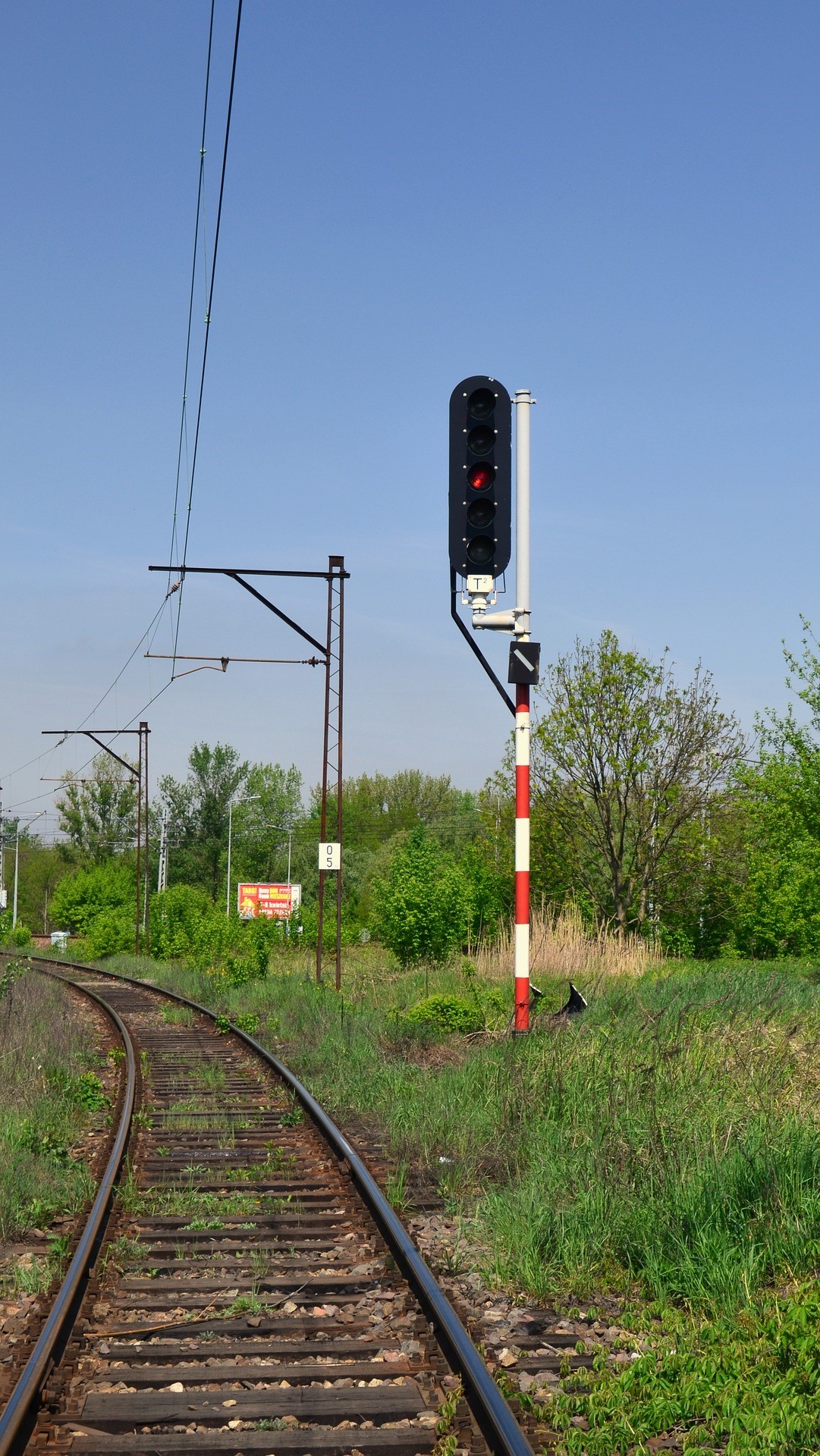
The Automatic Driver Asist System is an advanced hardware and software platform whose task is to detect the approach of a railway vehicle to a semaphore with the "Stop" signal based on the image captured by a trail monitoring camera. After recognition, the ADA system notifies the driver of approaching to a given type of semaphore and its indications by means of voice and visual messages via a device mounted in the cabin.
The solution adopted in the project is based on application of artificial intelligence.
The main challenge of the innovative ADA project was the process of teaching a neural network to recognize defined objects, which then created patterns of specific data strings to be applied to railway vehicle recorders.
Based on hundreds of thousands of different photos of the same or very similar objects, taken in lighting and weather conditions, on different backgrounds, intentionally containing elements partially obscuring the identified object, etc. the neural network developed a string of data describing the object of detection. Thanks to such a tedious learning process, the neural network achieved higher efficiency than human capabilities in object recognition, and thus achieved readiness to work in operational conditions on the entire railway network in Poland. The continuous operation will lead to further improvement of the object recognition process.
The image recognition mechanism is supported by the VOD Rail 3.0 analytical platform containing a constantly expanding database of traffic lights and other railway infrastructure facilities.
The ADA system is developed in order to achieve the functionality of the Cabin Railway Navigation System, warning about semaphore indications, speed limits, track curves, switches, etc. and collecting driving reports along with full analytics of driver behavior and rail vehicle operation.
Alert Center
The Alert Center system allows real-time monitoring of cooperation between current collectors (so-called pantographs) and the overhead contact line, while monitoring the overhead contact line as well as signaling any irregularities.
The system consists of two main components:
- Video monitoring equipment: cameras, video recorders, sensors, voltage meters and hardware solutions conducting advanced analysis of recorded video in real time thanks to the use of artificial intelligence;
- A central system providing reference data, processing alarm signals and correlating recorded events with eqiupment installed in various vehicles.
Benefits of traction network monitoring:
- monitoring the condition of the overhead contact line - reading parameters and detecting any anomalies from all network sections in the country at once, not only from lines on which diagnostic vehicle rides took place - installations are made on vehicles making cruise (commercial) journeys;
- installations on diagnostic vehicles allow for additional benefits related to overhead line documentation.
Benefits of pantograph monitoring:
- image analysis from pantograph cameras - detection and indication of "strokes", contact breaks, distance test;
- contact wire suspension height test;
- testing the number of contact wires and load ropes (thefts);
- passporting (collecting data on network elements);
- entry in the Alert Center database: GPS coordinates, pole photo, pole type, reading deposit no., number of weights, suspension height.
The central Alert Center system allows:
- monitoring the condition of the overhead contact line - reading parameters and detecting any anomalies from all network sections in the country at once, not only from lines on which diagnostic vehicle rides took place - installations are made on vehicles making cruise (commercial) journeys;
- installations on diagnostic vehicles allow for additional benefits related to overhead line documentation.